• Skip to main content
(800) 817-8763
Get a Free Quote
Menu
  • Products
    • Countertops
      • Granite Countertops
      • Quartz Countertops
      • Marble Countertops
      • Quartzite Countertops
      • Laminate Countertops
      • Acrylic Solid Surface
      • Recycled Material
    • Fixtures
    • Cabinetry
    • Promotions
  • Our Process
  • Services
    • Customer Service
    • Care and Maintenance
  • Resources
    • Project Features
    • Blog
    • Gallery
  • Company
    • About Us
    • Careers
  • Contact Us

Design Process

Jun 30 2025

How to Choose the Right Granite Countertop Thickness for Your Home

Granite countertops are one of the most durable and visually striking options for kitchens and bathrooms. When homeowners begin selecting granite, color and pattern usually take center stage. But one of the most important design and performance choices comes down to thickness. 

Granite slabs typically come in two standard thicknesses: 2 centimeters (about ¾ inch) and 3 centimeters (about 1¼ inches). Each has unique advantages, and choosing the right one can influence how your space looks, functions, and feels.

Why Thickness Matters

Thickness plays a role in more than just durability. It can affect the overall weight, edge profile options, structural requirements, and the feel of your design. A thicker granite slab tends to read as more substantial and traditional, often used in larger kitchens where bold materials anchor the room. Thinner granite, on the other hand, offers a lighter appearance that’s sometimes favored in more modern or compact spaces.

Both options are structurally strong, but thicker slabs tend to be more forgiving when it comes to support. Thinner granite may require additional backing or bracing depending on the layout and use, especially for overhangs on islands or breakfast bars.
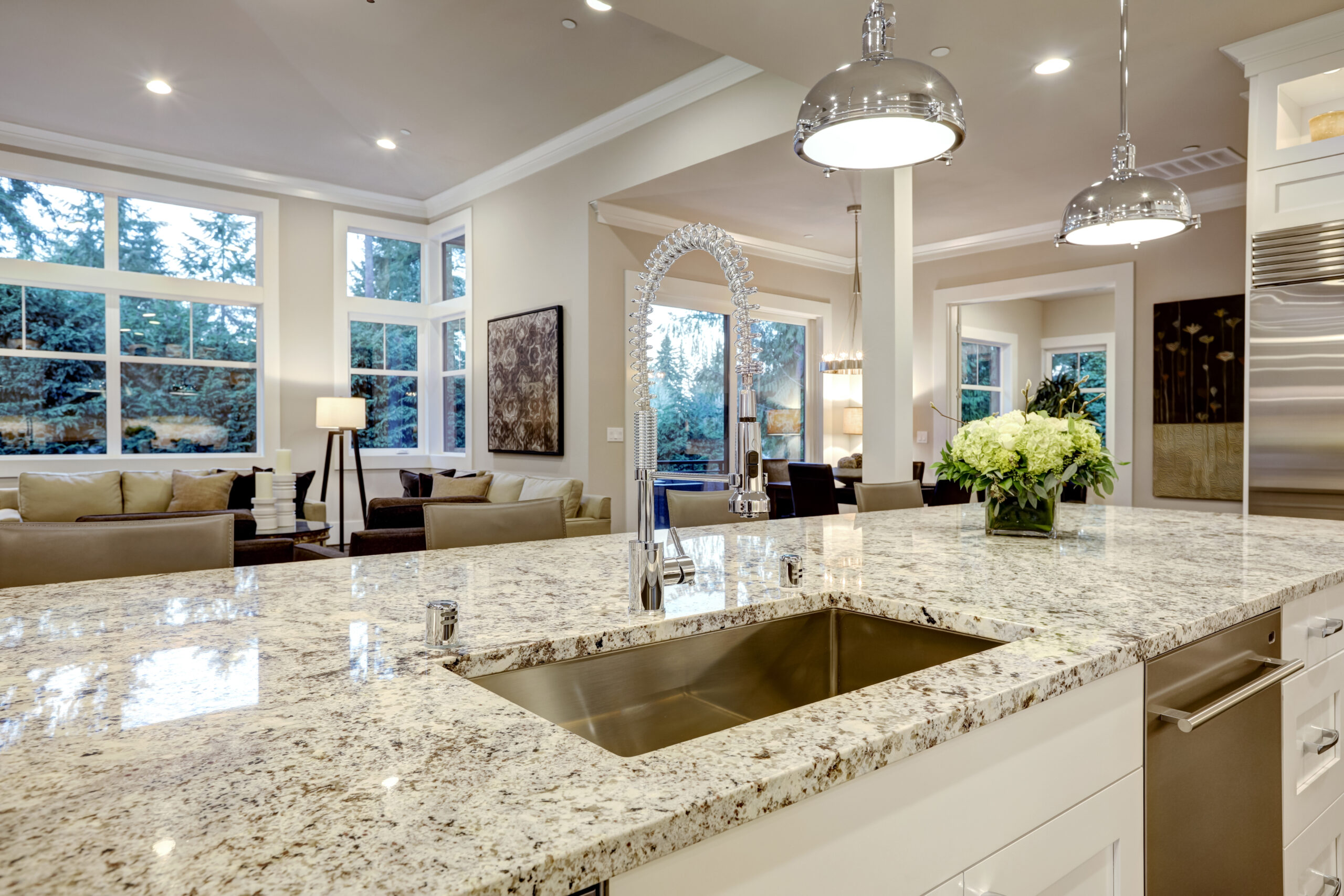
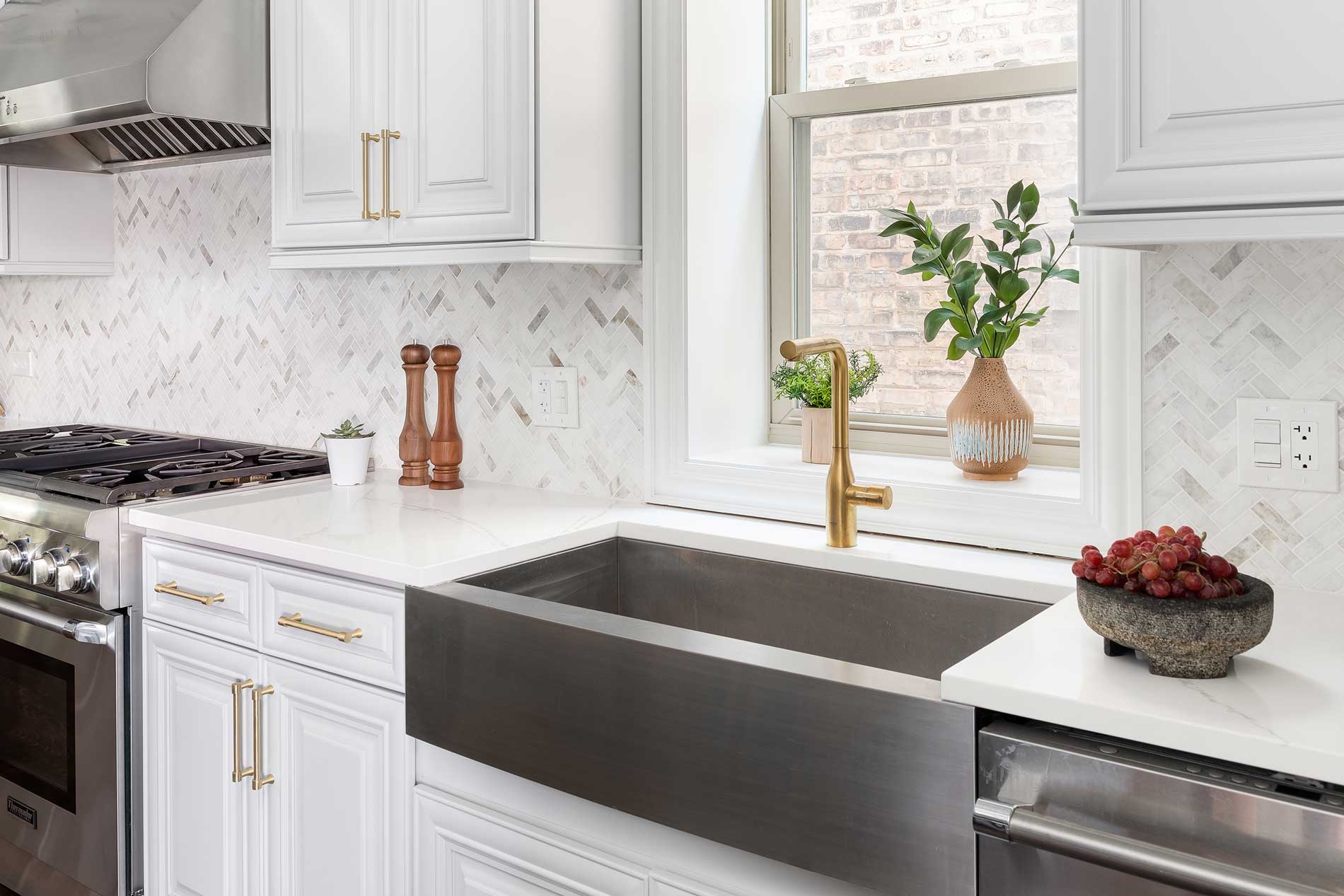
heat resistant countertops

The Look of 3-Centimeter Granite

The 3-centimeter slab is the most common choice for residential countertops. Its weight and depth give a sense of permanence and richness, and it doesn’t usually require additional backing for strength. This makes installation simpler in some cases and reduces the need for extra materials.

Visually, thicker granite offers more flexibility for edge treatments. Popular styles like ogee, bullnose, and beveled edges are easier to carve and shape with a 3-centimeter slab, giving homeowners more room to customize. This thickness also looks more integrated in traditional or transitional homes where furniture-style cabinetry and classic design elements are more prominent.

When 2-Centimeter Granite Works Best

The 2-centimeter option is thinner and lighter, which can be an advantage in certain design scenarios. It’s often used in vertical applications like backsplashes or fireplace surrounds, but it can still be used for countertops with proper support. In today’s European kitchens, this thinner slab is more common and contributes to a clean, modern look.

If you’re going for a minimalist kitchen with flat-front cabinetry and subtle details, a 2-centimeter slab can blend into the space without overpowering it. Just keep in mind that installation may require a plywood subtop and edge build-up to achieve a thicker look or meet stability requirements. This is one of the many reasons that it’s important to work with an experienced fabricator, since they can advise on when and where reinforcement is necessary.

Edge Profiles and Visual Weight
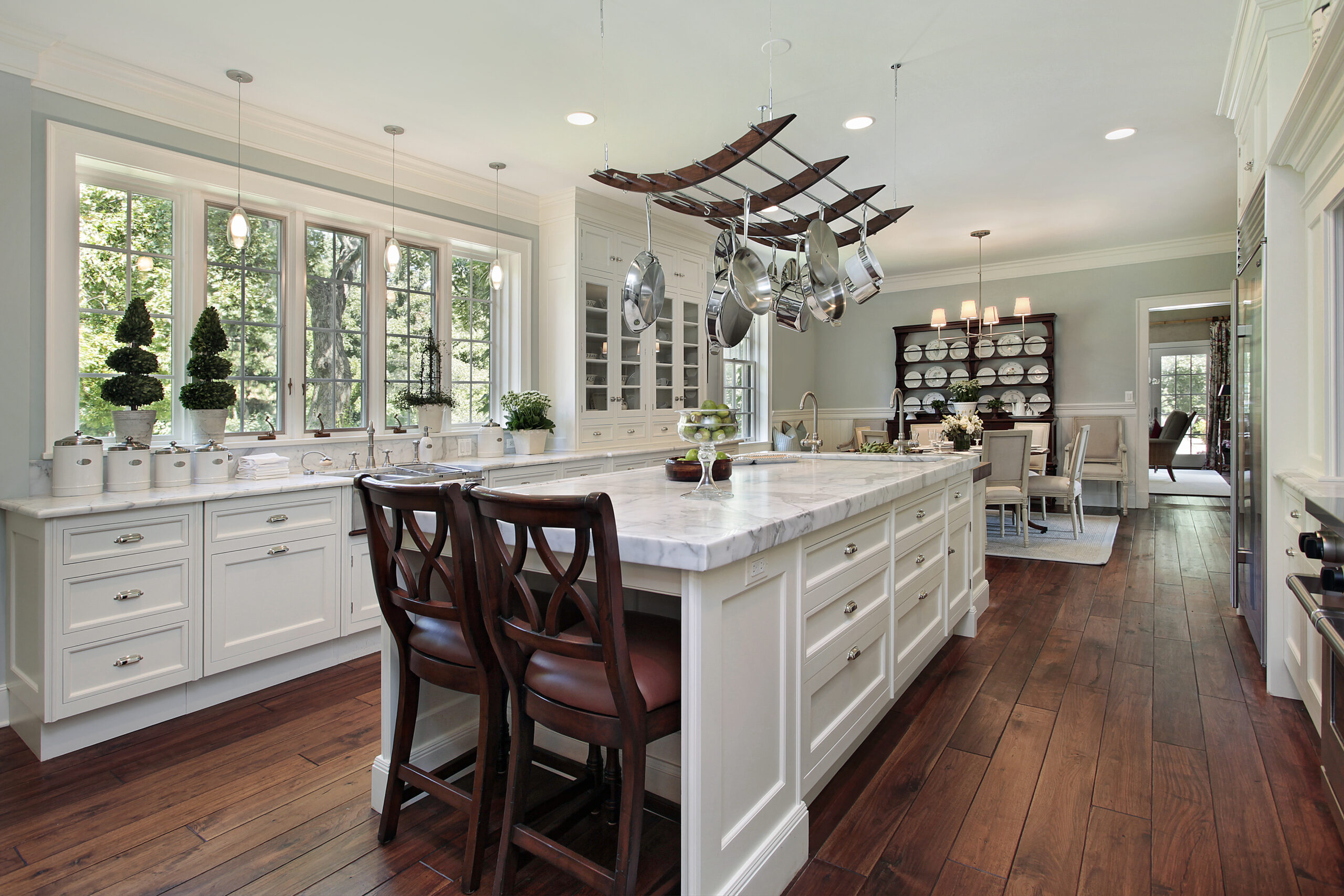
porous vs. non porous countertops

Thickness influences how your countertop edges are shaped and how they appear from across the room. A thinner slab with a square edge offers a modern, streamlined appearance, especially when paired with slab cabinets and hidden hardware. A thicker slab allows for more decorative shaping, which can be a statement feature in more detailed kitchen designs.

Some homeowners choose a mitered edge to create the illusion of a thicker slab. This involves cutting two pieces of granite at a 45-degree angle and joining them to form a seamless-looking thick edge. It’s a clever solution when you want a bold look without the full weight of a 3-centimeter slab.

Weight and Cabinet Considerations

One of the often-overlooked aspects of granite thickness is how it affects the cabinetry beneath it. While most kitchen cabinets can easily support either thickness, older cabinetry or furniture-style pieces may require reinforcement when supporting a heavier 3-centimeter slab. 

For long spans or floating elements like breakfast bars and islands, thicker granite is typically easier to work with structurally. Thinner slabs may flex if not properly supported, so additional planning goes into those installations.

Bringing Style and Structure Together

Granite countertops bring beauty and performance to any space, but the slab thickness you choose can have long-term effects on your project. It influences the look of your edges, the feel of your layout, and the longevity of your investment. Whether you’re drawn to the solid presence of a thicker slab or the refined profile of a thinner one, working with experienced professionals ensures the right fit for your space.

At Alps Craftsman, we take the time to match every home with the right materials and specifications. If you’re ready to move forward with granite countertops, we’re here to help. Contact us for a free estimate today!
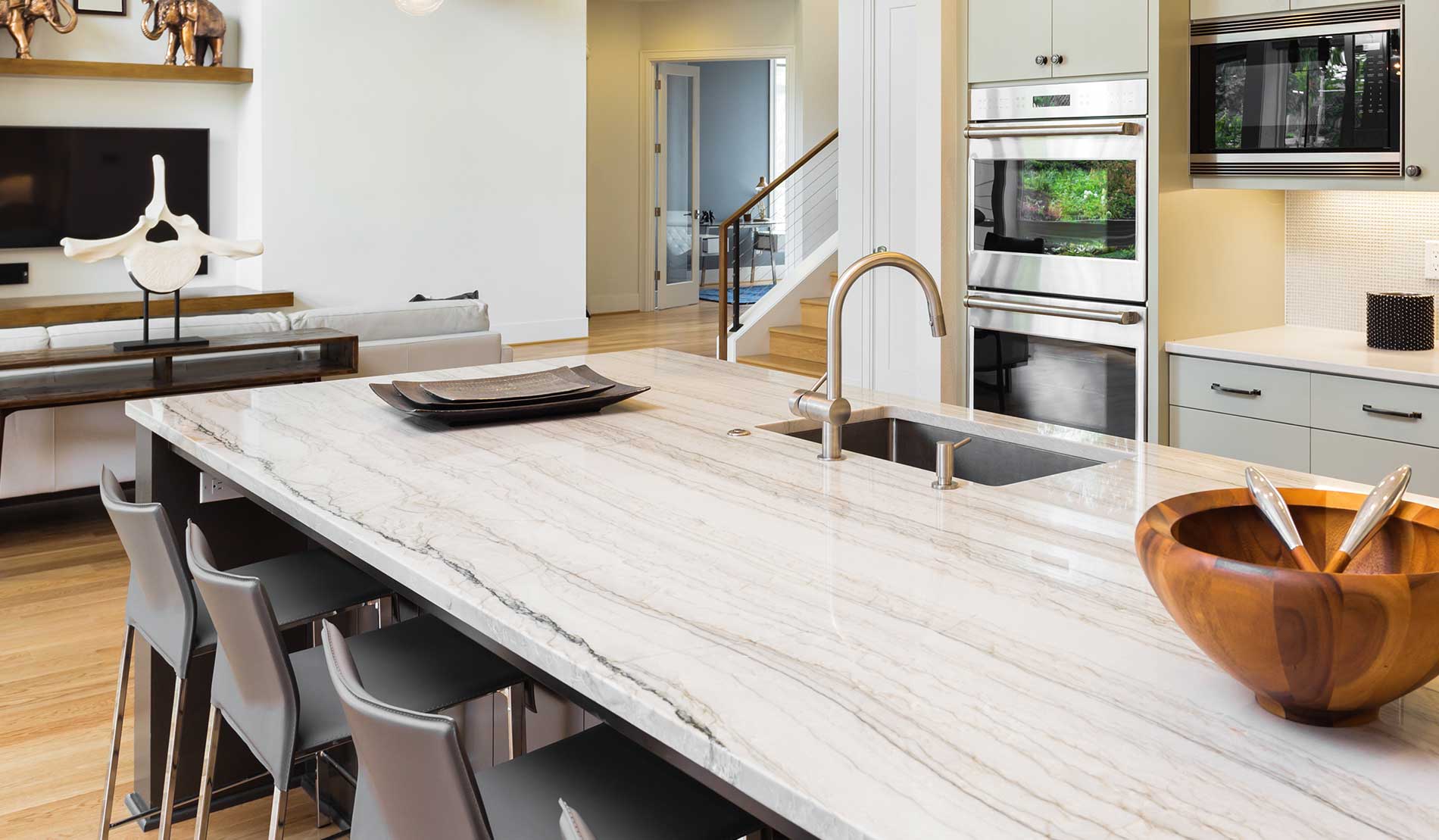
Categorized: Countertops, Kitchens
Tagged: Design Process

Jun 22 2025

How to Pair Quartzite Countertops with Bold and Vibrant Kitchen Cabinets

Designing a kitchen that feels alive and energetic begins with bold choices. One of the most powerful combinations in today’s modern kitchen design is the pairing of quartzite countertops with bright or saturated cabinet colors. 

Quartzite, with its unique patterns and durable surface, provides the perfect balance for a colorful palette, helping ground the room while enhancing its visual impact.

Understanding the Personality of Quartzite

Quartzite is a natural stone formed from sandstone and transformed by heat and pressure deep within the earth. This process gives it the strength of granite and a beauty that often rivals marble. 

What makes quartzite particularly interesting for bold kitchen designs is its range of subtle color variations and dramatic veining. These visual features make it flexible enough to work with daring color choices without becoming overwhelming.

While some quartzite slabs are neutral and soft-toned, others contain hints of green, blue, gold, or gray. These undertones can influence the cabinetry colors that will complement the stone. Recognizing those hues is the first step toward a well-balanced design, and your fabricator can show you examples of how they’ll look in your home and in the showroom.

Let the Stone Lead

A helpful way to begin is by selecting your quartzite slab first. Because no two pieces are identical, the unique coloring and movement in the stone should guide your cabinet choices. Designers often recommend pulling a secondary or tertiary color from the stone itself and using that as inspiration for the cabinets. 

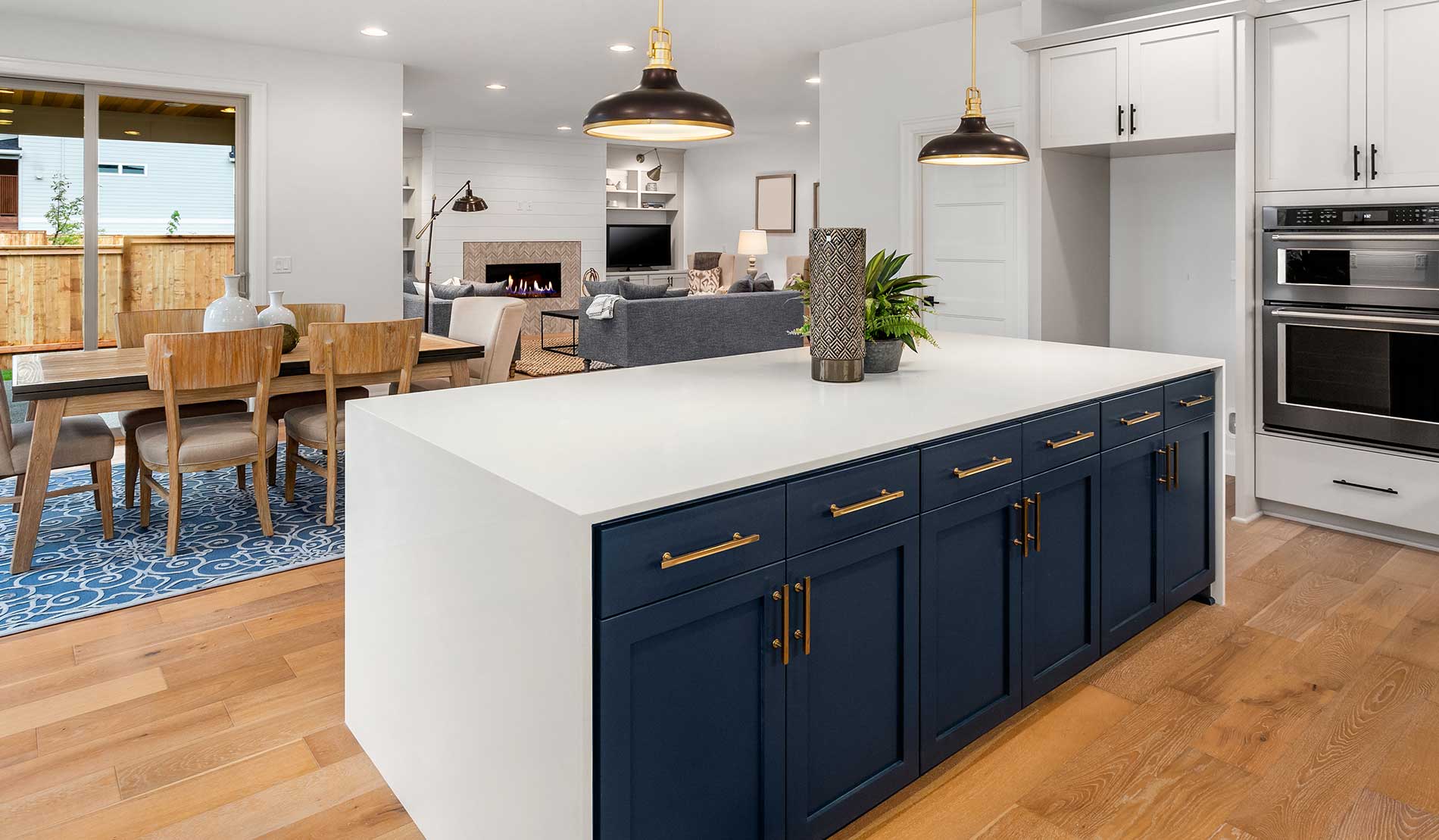
This technique helps tie the space together without feeling too matched or calculated. For example, a quartzite countertop with bold gray veining pairs well with deep navy or forest green cabinets. If your slab contains hints of rust or warm taupe, consider cabinet colors like terracotta, mustard, or even a deep wine tone.

Balancing Vibrant Cabinets with Subtle Stone

If you’re considering a high-impact cabinet color like cobalt, emerald, or tangerine, opt for a quartzite slab that offers a neutral foundation. Soft white or pale gray quartzite can help keep the space grounded while allowing the cabinetry to take center stage. 

This approach works especially well in smaller kitchens where too many bold elements could overwhelm the space. Keep in mind that quartzite’s natural movement that comes from the veining already creates visual interest. Pairing it with a highly saturated color on the cabinets can result in a dynamic kitchen that still feels polished and composed.

When to Use High-Contrast Pairings

One way to add drama to your kitchen is through contrast. A dark quartzite countertop against vibrant cabinets creates instant visual tension that draws the eye. For instance, black or charcoal quartzite countertops can look striking when set against bright yellow or teal cabinetry. The contrast between the cool stone and the warm cabinet color creates energy without chaos.

But sometimes contrast can look a bit harsh. To keep this type of contrast from feeling overwhelming, consider finishing touches like brushed or matte metallic hardware or natural wood accents to act as visual bridges between the stone and the cabinets.

Highlighting Texture and Finish

The finish of your quartzite countertop can also affect how well it pairs with bold cabinetry. A polished finish reflects light and emphasizes the stone’s intricate details, which can add extra depth when paired with glossy or lacquered cabinets. A honed or leathered finish, on the other hand, creates a softer, matte look that works beautifully with more muted or earth-toned colors.

Texture can become a design element in itself. A leathered quartzite countertop might contrast with sleek cabinets, giving your kitchen a layered and thoughtful look without needing extra ornamentation. Talk to your fabricator about the types of finishes they can achieve!

Creating a Standout Space

Pairing quartzite countertops with bold cabinets requires both confidence and careful planning, but when done well, the result is stunning. The right slab of quartzite can elevate a vibrant cabinet color, grounding the space while letting personality shine through. Whether you’re going for a high-contrast modern vibe or a softer, nature-inspired palette, this material provides the versatility and beauty you need to pull it all together.

If you’re ready to bring color and stone together in your dream kitchen, Alps Craftsman is here to help. Get in touch with us today for a personalized consultation and a free quote for your countertop project!

Categorized: Countertops, Kitchens
Tagged: Design Process, Guide

May 31 2025

Waterfall Marble Countertops: Are They Worth the Investment?

Few materials exude luxury like marble does, and when you clad your whole island in this rich, opulent stone, your kitchen makes an incredible statement. But that visual appeal comes with a price, both in terms of finance and maintenance. 

Deciding whether they are worth the investment depends on understanding what they bring to your home in terms of style, durability, and long-term value.

The Striking Beauty of Waterfall Marble

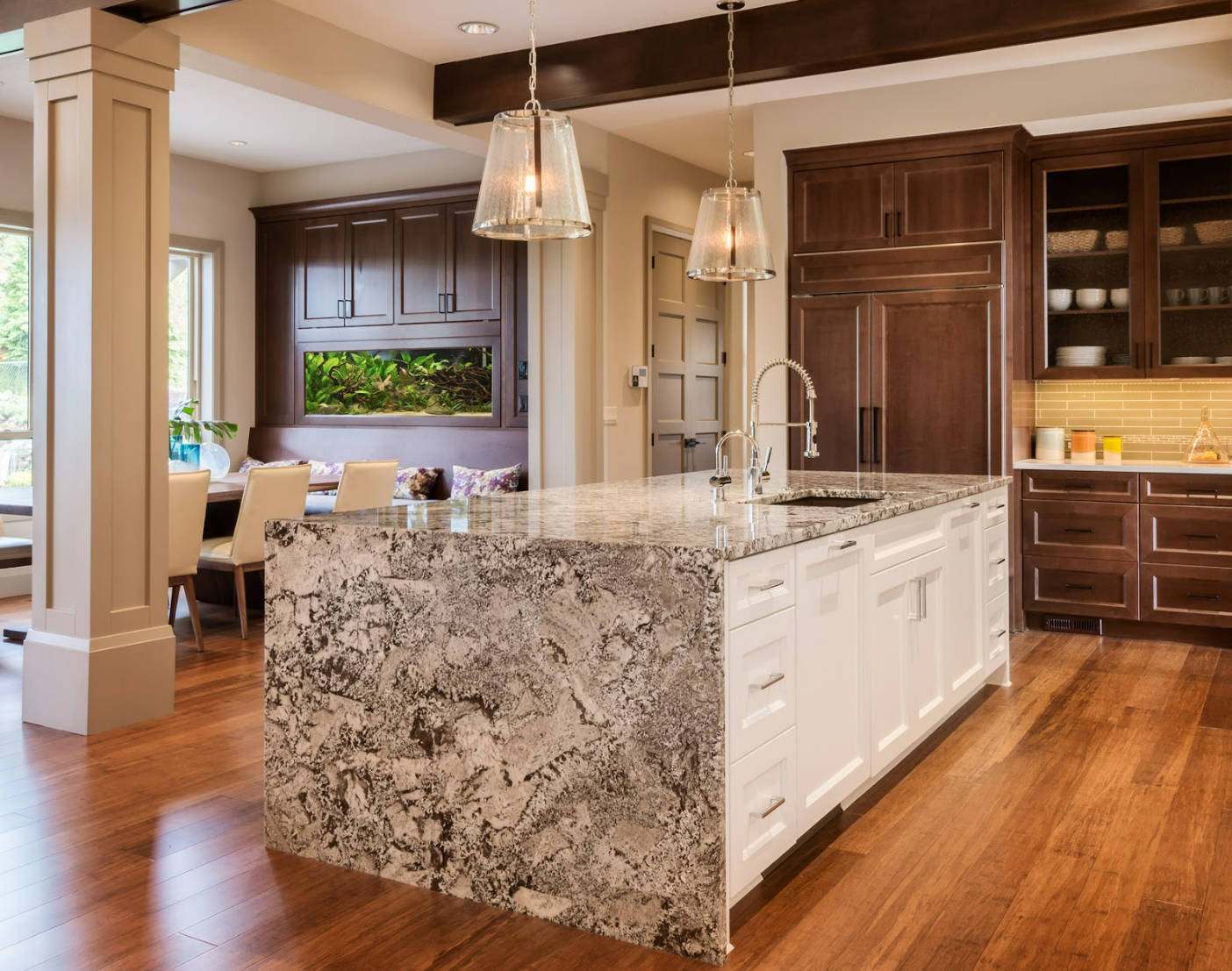
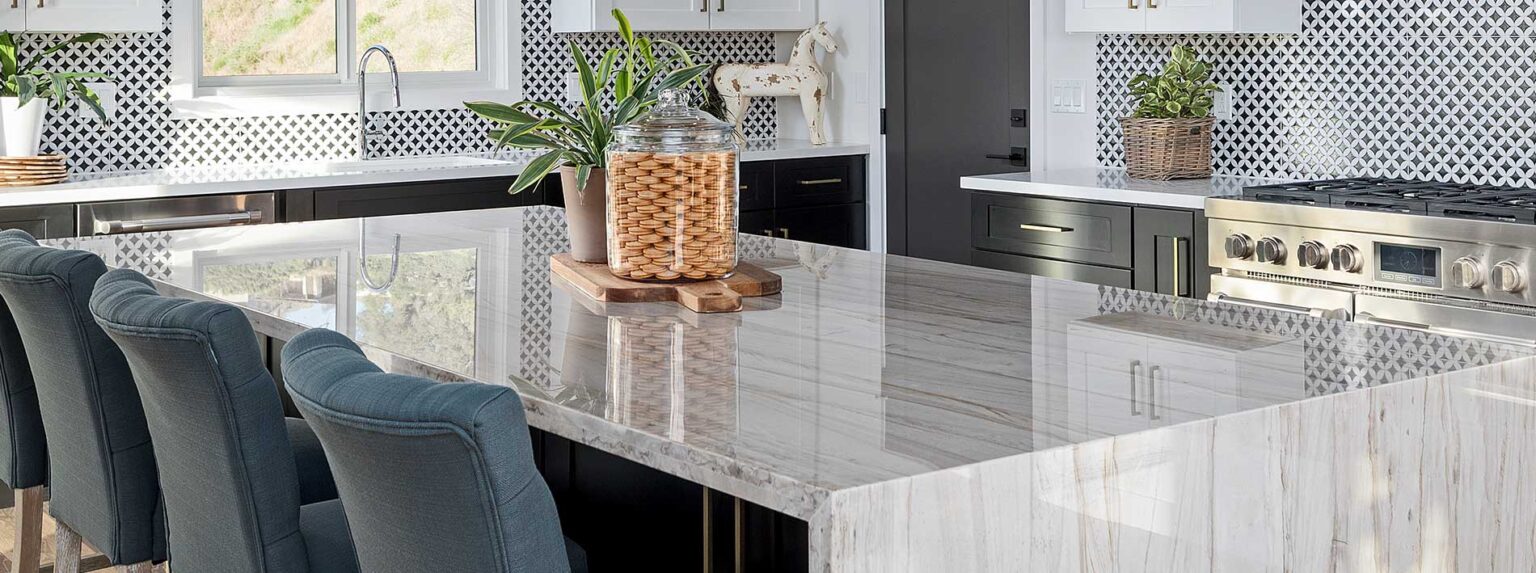
The first thing anyone notices about a waterfall marble countertop is its undeniable beauty. Traditional countertops stop abruptly at the edge, while a waterfall design extends the stone to the floor, giving a continuous and dramatic effect. This uninterrupted visual flow highlights the natural veining and movement of marble in a way few other installations can. 

Luxury Appeal and Home Value

Installing waterfall marble countertops sends a clear message of craftsmanship and attention to detail. In a competitive real estate market, features like these can set a home apart from others and appeal strongly to discerning buyers. 

The luxurious impression created by waterfall marble can increase perceived home value, helping to justify the initial expense. Even if you have no immediate plans to sell, investing in premium materials like marble enhances everyday enjoyment of your space. It creates a thoughtful, sophisticated atmosphere with a truly timeless feel. 

porous vs. non porous countertops

Durability and Practical Advantages

While marble is known for its elegance, it is also appreciated for its strength when properly cared for. A waterfall countertop protects cabinetry sides from dings, spills, and wear, extending the life of your kitchen furnishings. 

Because the stone wraps the furniture in a protective shell, it offers more resilience against daily activities. Sealing marble regularly helps prevent staining, and with mindful maintenance, a waterfall marble countertop can remain stunning for decades. The combination of durability and beauty makes it a smart choice for active households who still want a refined aesthetic.

Choosing the Right Marble for a Waterfall Design

Selecting the right marble is an important part of ensuring the waterfall look achieves its full impact. Stones with bold veining are particularly popular because the natural patterns create a dramatic flow across both the horizontal and vertical surfaces. 

Matching the veining between the countertop and the waterfall side panels, a process known as bookmatching, enhances the visual effect and gives the impression of one continuous piece of stone. 

Alps Craftsman works closely with our clients to pick just the right slabs, and our fabrication and installation team work together to create perfectly aligned patterns, which results in a breathtaking finished product.

Weighing Cost Against Lasting Impact

There is no denying that waterfall marble countertops represent a significant investment. The additional material required, along with the necessary precision craftsmanship, contributes to the overall cost. 

However, when you consider the visual drama, practical benefits, and added home value, many homeowners feel the expense is justified. Few features have the power to transform a room so completely, creating a luxurious environment that feels curated and distinctive. 

When chosen thoughtfully and installed by experienced professionals, a waterfall marble countertop is an investment that continues to pay off in beauty and function.

Create a Lasting Statement With Waterfall Marble

Waterfall marble countertops offer a perfect balance of form and function, bringing dramatic style, durability, and increased home value into one stunning package. 

Whether you are building a new home or upgrading an existing space, investing in this show-stopping feature ensures your kitchen or bathroom will leave a lasting impression. Ready to explore how a waterfall marble countertop can transform your home? Contact Alps Craftsman today for a free quote and expert guidance on making your vision a reality

Categorized: Care and Maintenance
Tagged: Care & Maintenance, Design Process

May 20 2025

Granite or Engineered Stone? The Debate on Natural vs. Manufactured Countertops

Choosing the right material for your countertops is a major decision that can define the look and feel of your kitchen or bathroom. Natural granite and engineered stone, often referred to as quartz, are two of the most popular options available today. 

Each brings distinct advantages and a unique aesthetic, making it important to understand what sets them apart. At Alps Craftsman, we work with both types of stone to help homeowners find the perfect fit for their project.

The Enduring Beauty of Granite

Granite has long been prized for its natural beauty and individuality. Each slab is a one-of-a-kind creation formed over millions of years, offering distinctive veining, color variation, and depth. No two pieces of granite are exactly alike, which makes it an excellent choice for homeowners who want a truly unique countertop. 

Aside from its appearance, granite is known for its durability. When properly sealed, it resists scratches, heat, and most stains, making it a practical choice for busy kitchens. 

The Consistency and Innovation of Engineered Stone

Engineered stone, usually just called quartz, offers a different set of benefits that appeal to many homeowners. Made from crushed quartz crystals combined with resins and pigments, engineered stone surfaces provide remarkable consistency in pattern and color. For those who want a clean, uniform look without the natural variation found in granite, quartz can be an ideal choice.

Because it is a manufactured product, engineered stone comes in a wider array of colors and styles than natural granite. This allows for more flexibility in matching countertops to cabinetry, flooring, and backsplashes. Additionally, engineered stone is non-porous, meaning it does not require sealing and offers excellent resistance to staining. Its dense surface makes daily care simple, a feature that has made quartz an increasingly popular option for high-traffic kitchens and bathrooms.

Quartz countertop

Style Considerations When Choosing Between the Two

Granite’s varied patterning creates visual interest and a feeling of depth that is hard to replicate. It can act as the centerpiece of a kitchen design, offering movement and color that enhances the overall space. If you love natural textures and unpredictable beauty, granite provides an artistic and organic touch.

Engineered stone’s consistency is an advantage when a specific color palette or a highly streamlined look is desired. Some modern kitchens call for a countertop that is sleek and minimal, where engineered stone’s predictability becomes a strength. 

Advances in manufacturing have also led to quartz designs that closely mimic the veining and depth of natural stones, allowing for even greater versatility in achieving a luxurious look.

Practical Factors to Keep in Mind

Durability, maintenance, and cost are all important factors to weigh. Granite tends to be slightly more resistant to heat, making it a good choice for avid cooks who place hot pots and pans directly on the counter. Quartz, while more resistant to staining and easier to maintain daily, can be sensitive to excessive heat and may require the use of trivets.

Find Your Perfect Countertop With Alps Craftsman

Whether you are drawn to the organic charm of granite or the polished sophistication of engineered stone, both materials offer outstanding performance and timeless style. Here at Alps Craftsman, we are proud to offer an expert selection of both natural and engineered stone countertops, helping you bring your vision to life with confidence and style. 

No matter what kind of stone you want for your countertops, we can help you out. Reach out today for a free estimate for your countertop project!

Categorized: Project Spotlights
Tagged: Design Process

May 09 2025

Smart Kitchens and Quartz Countertops: The Perfect Pairing for Modern Homes

Modern living demands more from kitchens than ever before. As smart technology becomes a staple in daily life, kitchens are evolving into highly efficient spaces that blend design, convenience, and functionality. Choosing the right materials plays a major role in achieving both style and performance. 

Quartz countertops have emerged as an ideal match for smart kitchens, offering beauty, durability, and practicality that support a connected lifestyle. But why quartz? Let us show you!

The Role of Quartz in Smart Kitchen Design

Quartz countertops offer a sleek, modern look that fits perfectly with the futuristic aesthetics of smart kitchens. With their clean lines, wide color selections, and consistent patterns, quartz surfaces bring a polished backdrop to the modern appliances and devices that define today’s tech-savvy homes. 

Quartz can easily complement the minimalist cabinetry, integrated lighting, and touch-controlled systems that are becoming the backbone of smart kitchen design. Its ability to offer both understated elegance and bold statement colors makes it a versatile choice for any smart kitchen concept.

Durability That Keeps Up With Technology

Smart kitchens often feature high-use areas around built-in coffee makers, smart refrigerators, and touch-activated sinks. Quartz’s durability makes it a natural partner for these high-traffic environments. Manufactured from tough resin and powdered quartz, these countertops resist scratches, chips, and everyday wear. 

Their non-porous surface also protects against spills and stains, a major advantage when working alongside water filtration systems, smart faucets, and other appliances that bring water into frequent play. Choosing quartz ensures your countertop investment remains beautiful and resilient, even as technology changes around it.

Low Maintenance for Busy Lifestyles

A key appeal of smart kitchens is the promise of greater efficiency and less daily upkeep. Quartz fits this vision perfectly. Unlike porous natural stone options that require regular sealing, quartz surfaces are engineered to be essentially maintenance-free. A simple wipe with soap and water is all it takes to keep them looking pristine. 

For homeowners managing multiple connected devices, meal planning apps, and voice-controlled lighting, the low-maintenance quality of quartz allows more time to enjoy the benefits of a smart kitchen, without worrying about countertop care.

Stylish Pairings With High-Tech Features

Smart kitchens are often designed around clean visuals and unobstructed surfaces. Quartz’s ability to mimic the look of marble, granite, or concrete without the upkeep gives designers and homeowners greater creative freedom. 

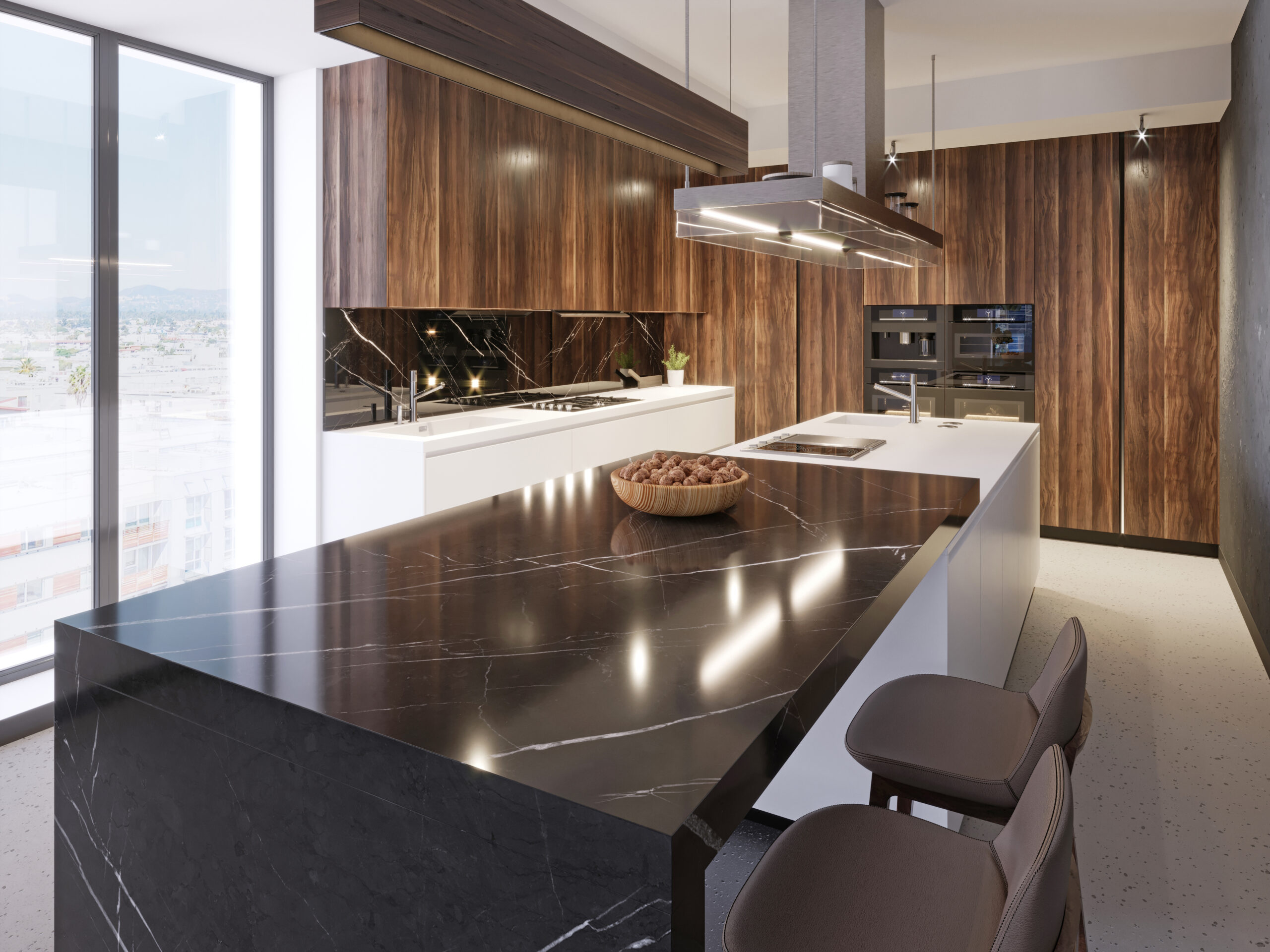
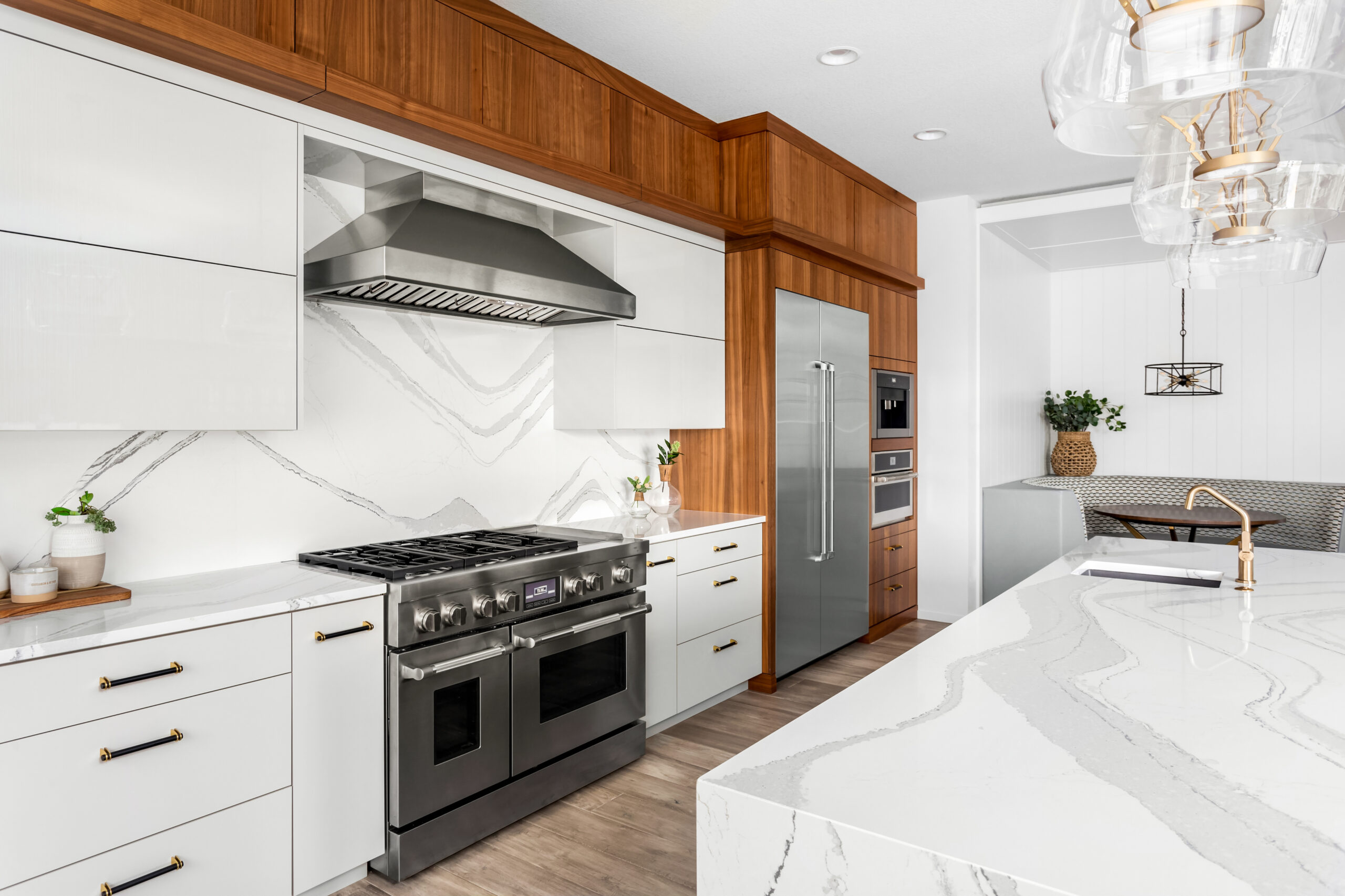
Sleek white quartz pairs beautifully with stainless steel smart appliances, while darker tones can add dramatic contrast to voice-activated lighting systems or smart induction cooktops. Whether you choose a soft, neutral palette or a striking, modern look, quartz enhances the appearance of smart technologies without overpowering the space.

Sustainability and Long-Term Value

As technology advances, many homeowners are also thinking about the environmental impact of their choices. Quartz countertops support sustainability goals through their long-lasting performance and responsible manufacturing practices. 

Because quartz surfaces are highly durable, they do not need to be replaced as often as some other materials, reducing waste over time. For those investing in a smart kitchen with long-term value in mind, quartz adds another layer of thoughtful planning by offering beauty, performance, and an eco-conscious edge.

Elevate Your Smart Kitchen With Quartz From Alps Craftsman

Smart kitchens represent the future of home living, combining style, technology, and convenience into one efficient space. Quartz countertops are the perfect complement to this innovation, offering the durability, low maintenance, and aesthetic versatility that today’s modern homes demand. 

Whether you are building a new kitchen or upgrading your current one, quartz surfaces help bring your smart kitchen vision to life with lasting beauty and performance. Ready to make your life easier with a smart kitchen? Contact Alps Craftsman today for a free quote!

Categorized: Project Spotlights
Tagged: Design Process

  • « Go to Previous Page
  • Go to page 1
  • Go to page 2
  • Go to page 3
  • Go to page 4
  • Go to Next Page »
Alps Craftsman

For over 30 years, our family-owned business has delivered exceptional service and craftsmanship. We treat every client like family, offering top-quality countertops, cabinetry, and fixtures. From small projects to large remodels, we ensure integrity, efficiency, and superior results.

Facebook-f Instagram
Company
Menu
  • About Us
  • Gallery
  • Our Process
  • Blog
  • FAQ
  • Careers
  • Contact Us
Services
Menu
  • Countertops
  • Granite
  • Marble
  • Quartz
  • Quartzite
  • Laminate
  • Recycled Material
  • Acrylic Solid Surface
  • Fixtures
  • Cabinetry
  • Promotions
Our Location
  • 500 Memorial Drive, Suite 1 Somerset, NJ 08873
  • (800) 817-8763
  • info@alpscraftsman.com
  • License: HIC#13VH05142400
Get a Free Quote
Proudly serving NJ, NY, PA customers since 1991
Copyright © 2026 Alps Craftsman HIC#13VH05142400. All rights reserved. | Privacy Policy | Accessibility | Sitemap
Get Offer

Get Offer

"*" indicates required fields

This field is for validation purposes and should be left unchanged.

Request a Quote

"*" indicates required fields

This field is for validation purposes and should be left unchanged.
Name*