• Skip to main content
(800) 817-8763
Get a Free Quote
Menu
  • Products
    • Countertops
      • Granite Countertops
      • Quartz Countertops
      • Marble Countertops
      • Quartzite Countertops
      • Laminate Countertops
      • Acrylic Solid Surface
      • Recycled Material
    • Fixtures
    • Cabinetry
    • Promotions
  • Our Process
  • Services
    • Customer Service
    • Care and Maintenance
  • Resources
    • Project Features
    • Blog
    • Gallery
  • Company
    • About Us
    • Careers
  • Contact Us

Kitchens

Aug 09 2025

The Truth About Granite Countertop Maintenance: Myths vs. Facts

Granite has a long-standing reputation for durability, beauty, and timeless appeal. Yet, over the years, a handful of myths about its upkeep have made some homeowners think twice. Stories about constant sealing, fragility, or high maintenance can be enough to steer people toward other materials without fully understanding what granite actually requires. It’s time to set the record straight.

Myth: Granite Is Too Fragile For Kitchens

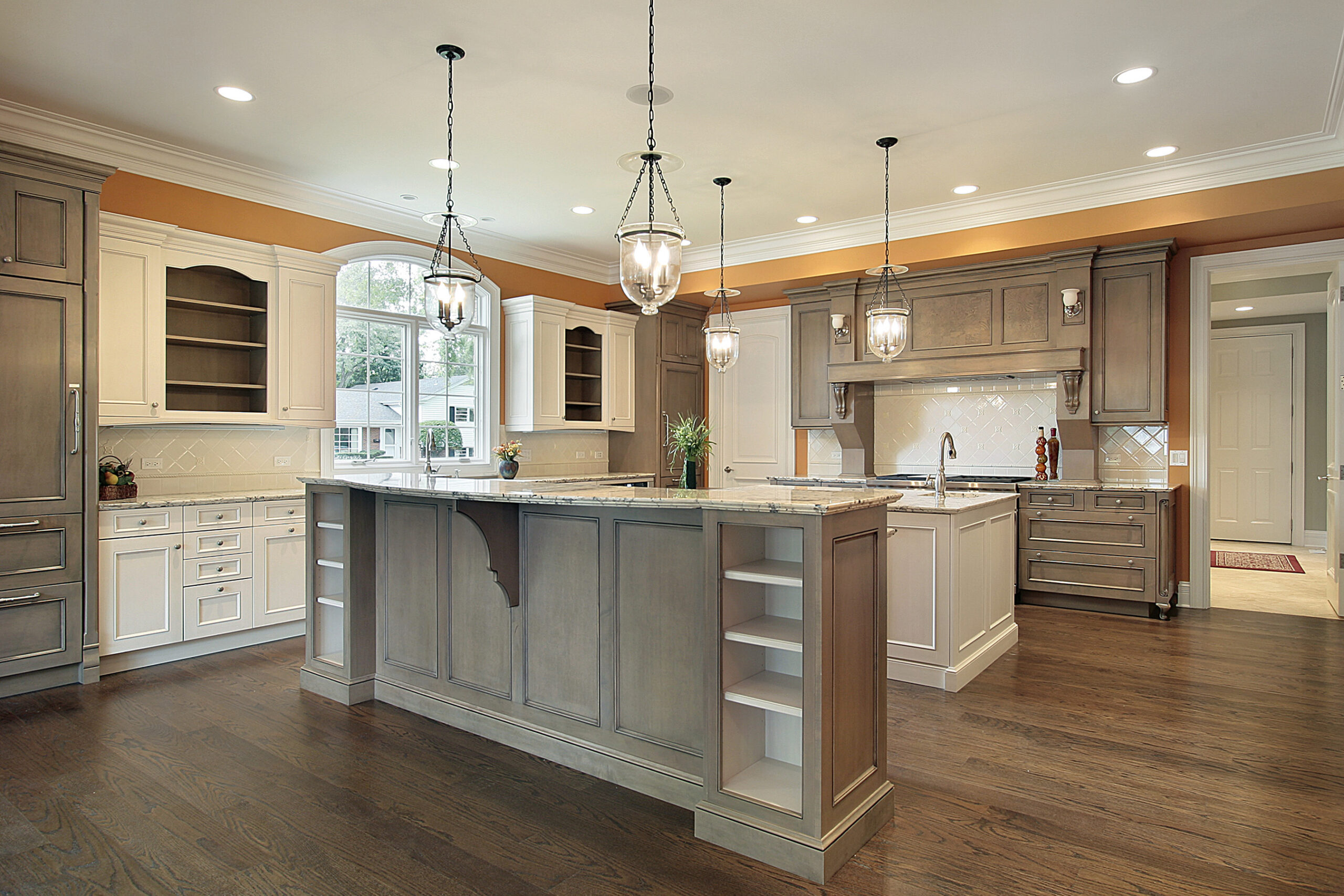
We’ll be honest: We have no idea where this rumor came from, but it’s a question that people do ask. Granite is one of the toughest stones there is. It’s so hard and dense because it’s formed under volcanic conditions; even the busiest kitchen cannot compare. It stands up extremely well to scratches, heat, and heavy cookware. While no surface is completely indestructible, granite is one of the most resilient countertop materials available. When properly installed and treated with care, it can last for decades without showing signs of wear.

Fact: Sealing Granite Is Simple and Infrequent

People often assume that granite needs to be sealed constantly to stay protected. The truth is, sealing granite is straightforward and doesn’t need to be done nearly as often as some suggest. Professional installers will typically seal the surface during installation, setting you up with long-term protection right from the start, and your fabricator can help you develop a sealing schedule. Regular cleaning with mild soap and water is often all that’s needed for daily care.

Myth: Granite Stains Easily

The idea that granite is highly absorbent and prone to staining is misleading. Unsealed granite can absorb liquids over time, but once sealed, it becomes resistant to common kitchen spills like wine, oil, or juice. Quick cleanup is always a good idea, no matter the surface, but panic over a spilled cup of coffee isn’t necessary. Most granite countertops used in kitchens today are sealed with high-performance products that guard against absorption while preserving the stone’s natural appearance.
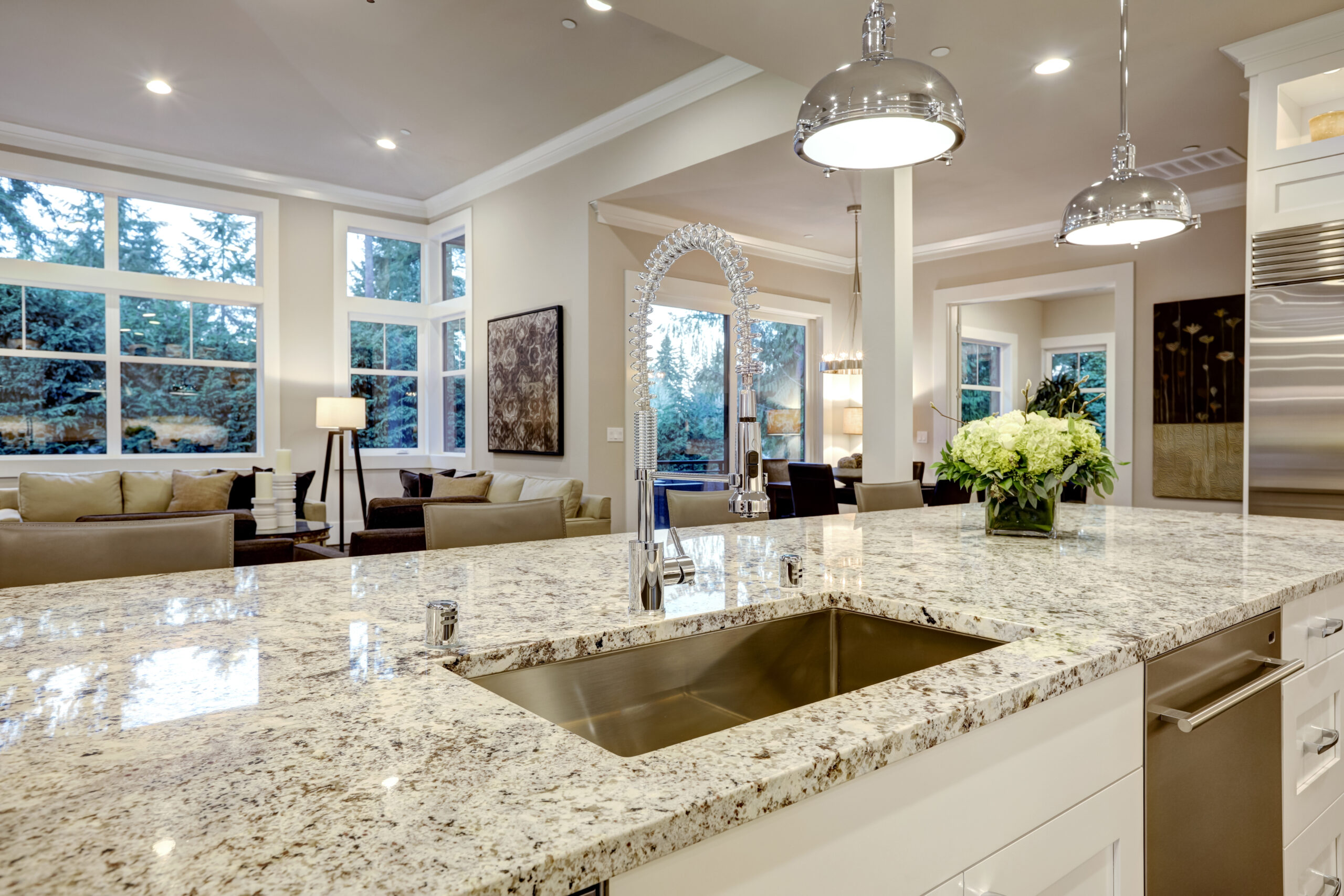
heat resistant countertops

Fact: Heat Resistance Is A Built-In Benefit

Unlike many synthetic countertop options, granite can handle high temperatures without damage. You can set down a hot pan without worrying about melting, warping, or leaving a burn mark. That doesn’t mean granite is immune to thermal shock or poor habits; using trivets and hot pads is still a smart choice, as heat can damage the finish. But granite’s heat tolerance adds peace of mind during busy cooking sessions, and if you quickly have to put a hot pot down, you don’t have to worry.

Myth: Granite Is Outdated

Some homeowners worry that granite has gone out of fashion, replaced by newer options like quartz or ultra-compact surfaces. In truth, granite remains a leading choice for upscale kitchens, and new quarrying and finishing techniques have expanded the range of colors and patterns available. From soft neutrals to bold veining, granite offers variety that works beautifully in both modern and traditional spaces. 

Fact: Maintenance Is Manageable

Granite does require some upkeep, but it’s far from burdensome. With a quick wipe-down each day and resealing as needed every few years, your granite countertops will stay in great shape. Avoiding harsh chemicals, acidic cleaners, or abrasive scrubbers is a good habit, as it protects both the stone and its sealant. 
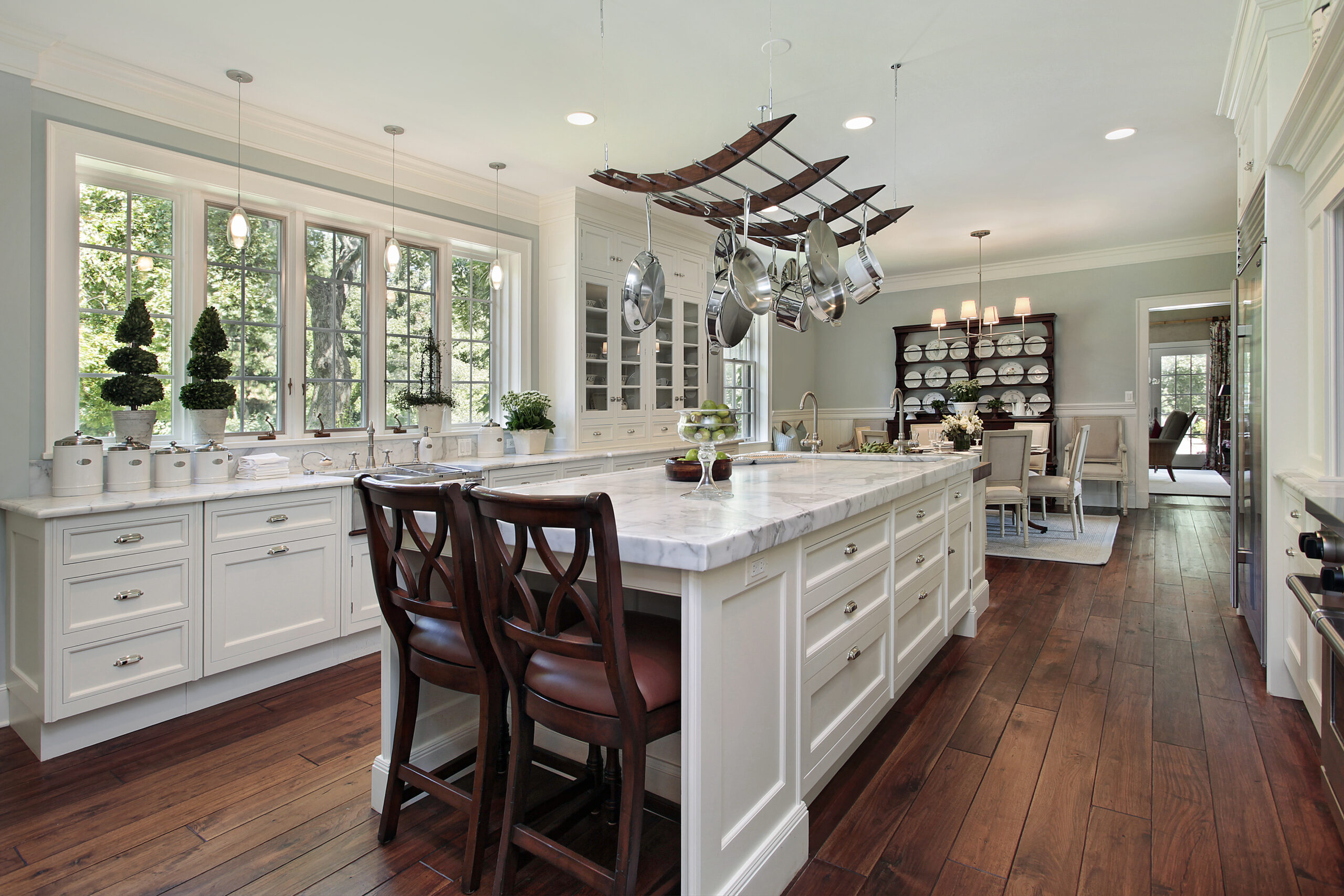
porous vs. non porous countertops

Set The Record Straight With Alps Craftsman

Granite isn’t high-maintenance; it’s high-performance. If you’re considering granite for your kitchen or bathroom, don’t let myths hold you back.

At Alps Craftsman, we work with premium granite and expert installers to make sure your surfaces are as practical as they are beautiful. Contact us today for a free quote and discover the lasting benefits of a professionally installed granite countertop.
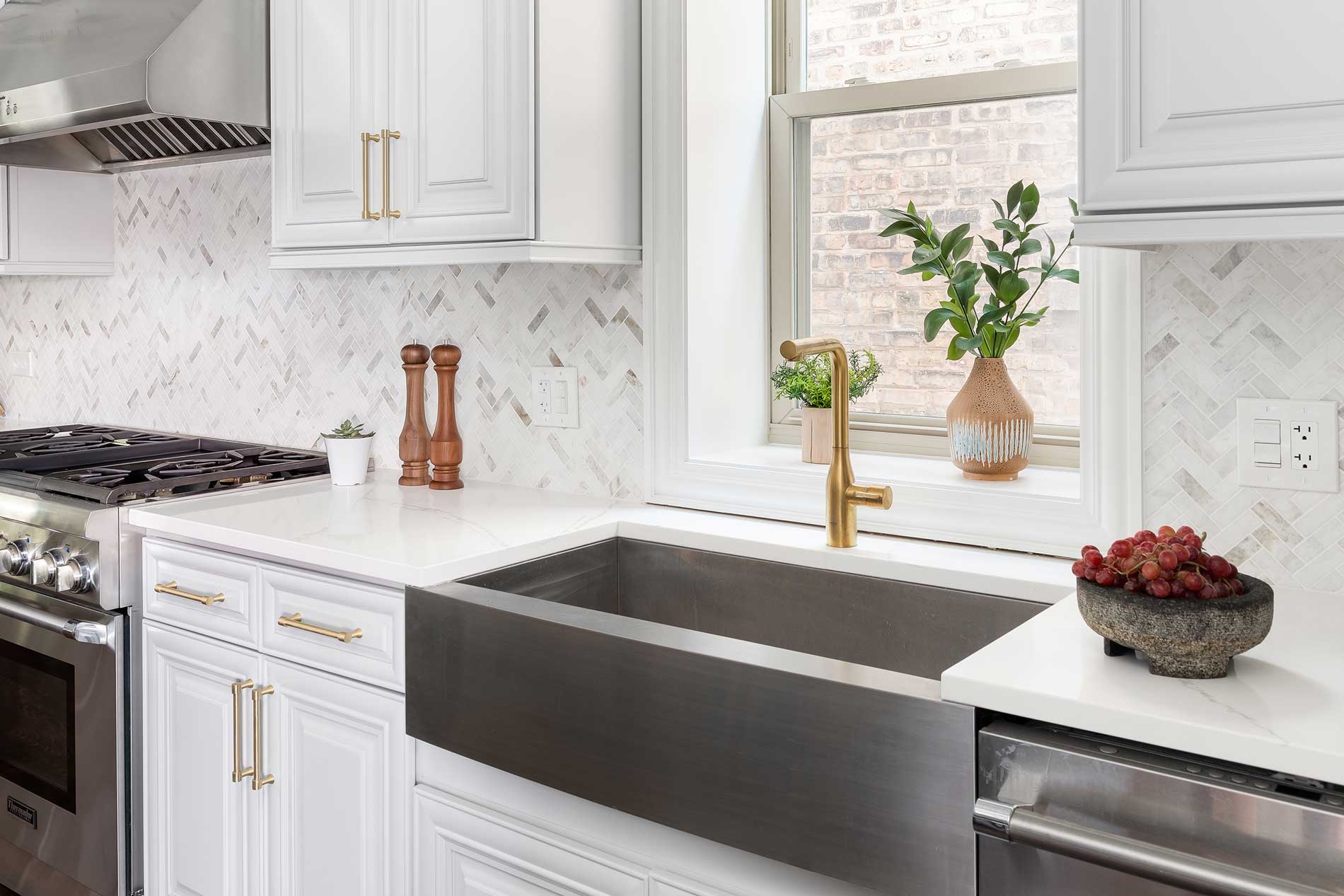
Categorized: Countertops, Kitchens
Tagged: Care & Maintenance

Jul 23 2025

Making The Most Of Natural Light: Countertop Colors That Brighten Up Your Space

Studies show that natural light is one of the biggest indicators that people will be happy in a space. Natural light improves our mood and makes everything look just that much brighter. A well-lit space feels larger, more welcoming, and more comfortable to spend time in. 

Natural light has the power to transform a room, and the materials you choose can either amplify or dim its effect. For kitchens and bathrooms, where hard surfaces dominate, countertops have a significant impact on how light moves through the space. 

By choosing the right stone in the right color, you can make the most of sunlight and turn your counters into a feature that supports an open, airy atmosphere.

Light Stone Tones for a Bright, Open Look

Lighter stone colors reflect natural light more effectively than darker ones, helping a room feel brighter throughout the day. Shades like soft white, pale gray, and warm beige create a reflective surface that catches sunlight and distributes it across the room. 

These tones work especially well in spaces that already get good natural light, allowing you to enhance what’s already there without additional fixtures. 

Marble’s Subtle Softness

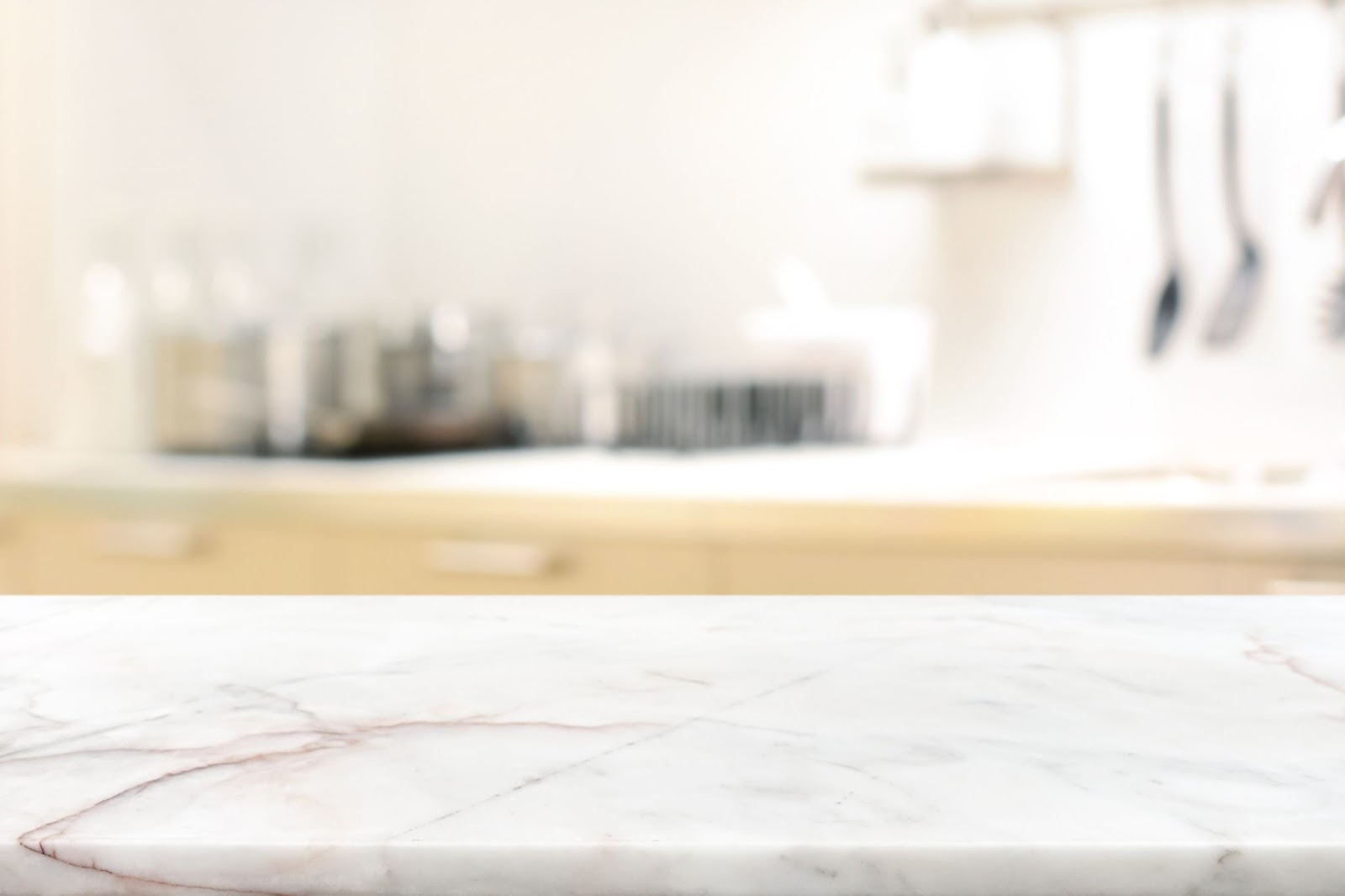
A close up image of a marble countertop with an out of focus background.

When brightness is the goal, marble is a natural fit. Known for its light color palette and elegant veining, marble enhances natural light with its slightly translucent quality. It softens glare while still reflecting plenty of light, creating a look that’s bright without being overpowering. 

White marble with gray veining is a popular choice for this reason, offering both contrast and cohesion in spaces with ample sunlight. Marble also has a natural coolness that makes a room feel calm and fresh, especially in warmer seasons.

Quartz in Light and Versatile Shades

For homeowners who prefer uniform color and low maintenance, quartz offers a wide range of light options that pair well with sunlight. Engineered quartz can mimic the appearance of marble or granite while offering consistency and durability. 

Soft ivory, cream, and cool-toned white quartz surfaces work well in modern spaces, and they often help make smaller rooms feel less enclosed. Because quartz is nonporous, it maintains a clean look even after daily use, supporting the fresh, open feeling natural light creates.

Granite in Sun-Friendly Colors

Granite is often associated with deeper, richer colors, but it also comes in lighter varieties that suit well-lit spaces. Options like white granite with speckles of gray or beige allow you to bring in light-reflecting qualities while still enjoying the depth of natural stone. 

In kitchens where morning or afternoon light floods in, a pale granite surface can bounce that sunlight across cabinets and walls, creating a cohesive and energized feel. Lighter granite options also pair well with wood tones and stainless steel, two common features in contemporary kitchens.

How Directional Light Affects Your Choice

The direction your windows face affects how light interacts with your countertops. Eastern-facing rooms catch the early sun, which tends to be cooler and more direct. In these spaces, soft whites and grays work well, adding warmth to the cooler light. 

Rooms with southern exposure receive steady daylight throughout the day, so creamier hues and polished finishes can help keep brightness balanced. For rooms with western or northern exposure, which get warmer or softer light respectively, selecting a finish with a slight reflective quality can help maximize brightness during limited hours.

Pairing Countertops with Other Elements

To enhance natural light, your countertop should coordinate with cabinetry, flooring, and wall colors that don’t absorb too much of it. Light stone countertops work best when paired with medium or light-colored materials elsewhere in the room. 

Glossy cabinet finishes or light tile backsplashes can boost the effect even further. Thoughtful coordination between these surfaces ensures that light is not just present, but actively working throughout your space.

Let the Light Work for You

Choosing the right countertop color is about more than style; it’s about shaping how your space feels throughout the day. Natural light brings a sense of energy and clarity, and your countertop can help harness that. 

Whether you prefer the understated elegance of marble, the consistency of quartz, the durability of granite, or even another stone entirely, Alps Craftsman can help you choose a stone that brings your space to life. Contact us today for a free quote!

Categorized: Countertops, Kitchens
Tagged: Design Process

Jul 11 2025

Why Summer Is the Best Time to Upgrade Your Bathroom Countertops

Summer often marks a shift in rhythm. With longer days, more natural light, and fewer weather-related obstacles, it becomes one of the most practical seasons for home upgrades. The bathroom benefits immensely from seasonal updates, especially when it comes to countertops. 

Choosing to tackle a bathroom renovation during summer can help you take advantage of ideal conditions and set the tone for a more functional and refreshed space. Not convinced? Here are some of the biggest reasons that summer is the right time of year to update the bathroom countertops. 

Better Timing, Fewer Disruptions

One of the main reasons summer works so well for renovations is that the season offers greater flexibility. Many families travel during the summer months, making it easier to schedule work without disrupting daily routines. In contrast, making updates during colder months often means working around tighter schedules and weather-related delays… and the holidays! 

Summer often feels like a natural pause in the year. The school year is out, vacations are underway, and schedules are a bit more relaxed. That pause creates an opportunity to finally take on the projects that get pushed aside during busier times. 

Upgrading your bathroom countertops may seem like a small change, but it can significantly improve your daily routine and enhance the overall feel of the space. Summer gives you the breathing room to plan thoughtfully and make lasting updates.

Easier Ventilation and Drying Conditions

When countertops are being replaced, materials like adhesives and sealants may be used depending on the surface. Summer provides optimal conditions for ventilation, which not only speeds up drying but also reduces humidity-related complications. 

Open windows and consistent airflow help the materials cure properly, which supports long-term durability. In cooler seasons, the drying process can take longer and potentially compromise the finish or performance of the countertop.

Aligning with Natural Light

Lighting plays an important role in how your bathroom feels and functions. In summer, longer daylight hours give you more time to assess the true appearance of the stone you’ve selected. 

Natural light reveals subtle shifts in tone and movement, making it easier to match countertops with wall colors, tile, and fixtures. Making decisions under full-spectrum light helps ensure your final result looks as good in the evening as it does at midday.

Warm Weather Makes Installation Smoother

Stone countertop installation requires precise measurements and secure placement. While professional installers are equipped to work year-round, transporting and handling heavy materials becomes easier and more predictable in warmer weather. 

Summer reduces the chance of ice, snow, or cold temperatures interfering with delivery schedules. These conditions contribute to a more efficient and dependable installation process, helping your project stay on track.

Updating your countertops in the summer helps you get ahead of the rush that typically comes later in the year. As fall approaches, more homeowners begin to focus on indoor improvements in preparation for holiday guests and cooler weather. 

By completing your bathroom upgrades during the summer, you’re well-positioned to enjoy the space during the seasons when you spend more time indoors. You also avoid potential backlogs with suppliers and installers during their busiest months.  

Talk to your fabricator about the best timing for a renovation if you aren’t sure, though. They’ll be able to tell you more about availability. 

Visual Refresh for a Personal Space

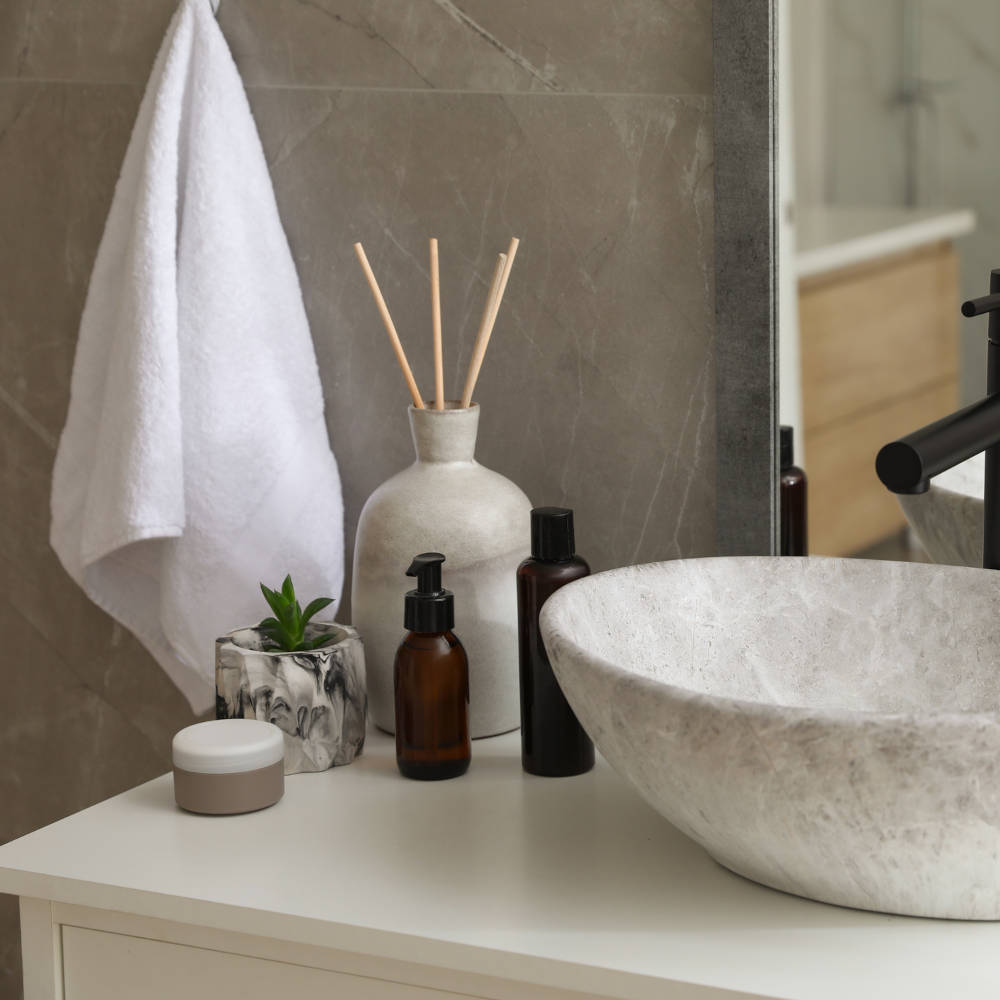
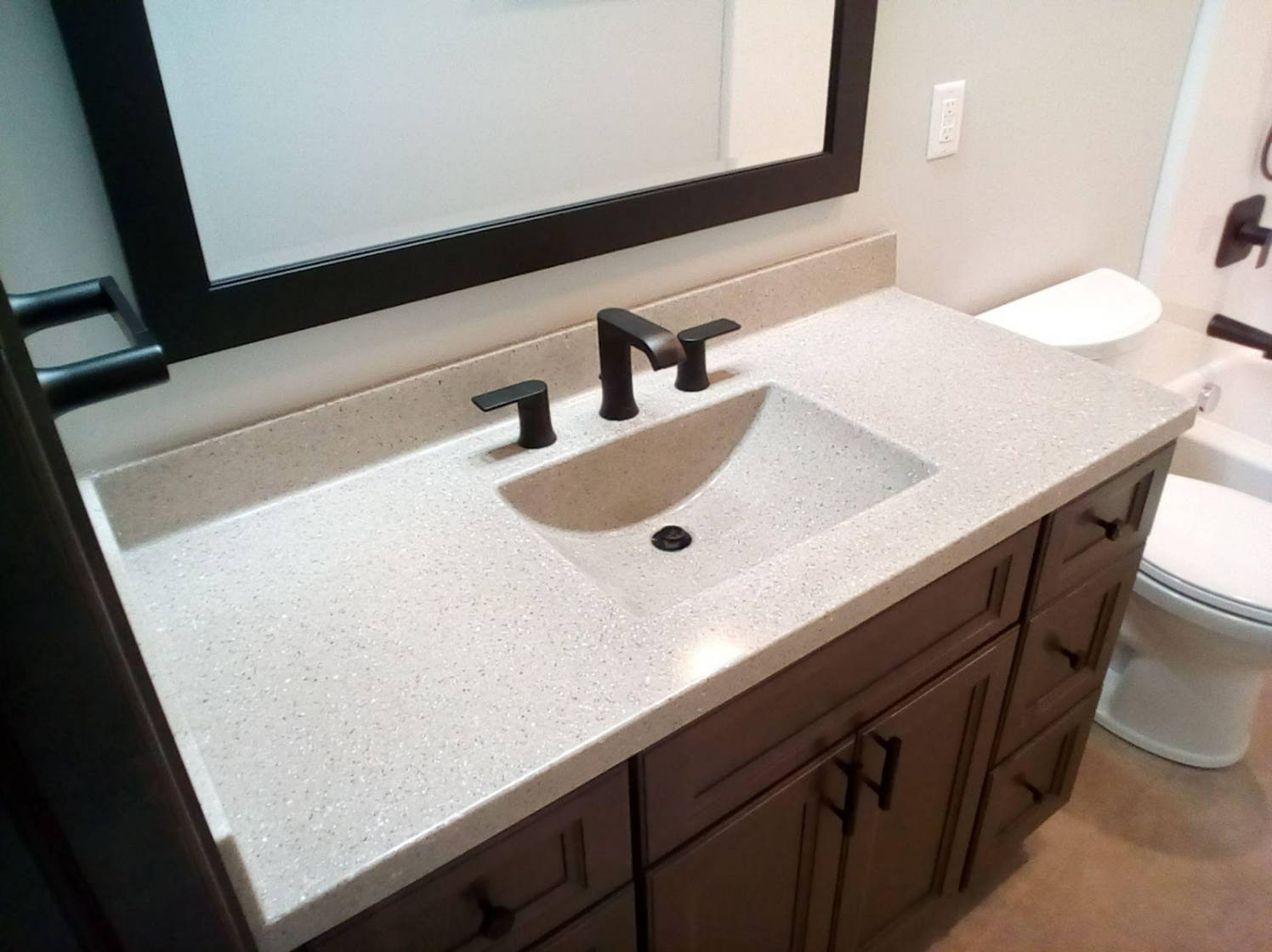
Bathrooms are among the most personal rooms in the home. A countertop upgrade can quickly improve both function and appearance. Whether you’re replacing a worn-out surface, modernizing the look, or improving durability, the transformation can be felt every single day. 

Summer gives you the energy and conditions to make choices that reflect your needs and style, with results that last well beyond the season.  

Now Is the Right Time

There’s something satisfying about walking into a bathroom that feels fresh, clean, and newly finished. Summer is the ideal time to make that change. If you’re ready to upgrade your bathroom countertops with timeless stone that enhances your home’s value and comfort, Alps Craftsman is here for you.

Reach out today for a free quote and discover how easy it is to start your next project while the season’s on your side.

Categorized: Countertops, Kitchens
Tagged: Guide

Jun 30 2025

How to Choose the Right Granite Countertop Thickness for Your Home

Granite countertops are one of the most durable and visually striking options for kitchens and bathrooms. When homeowners begin selecting granite, color and pattern usually take center stage. But one of the most important design and performance choices comes down to thickness. 

Granite slabs typically come in two standard thicknesses: 2 centimeters (about ¾ inch) and 3 centimeters (about 1¼ inches). Each has unique advantages, and choosing the right one can influence how your space looks, functions, and feels.

Why Thickness Matters

Thickness plays a role in more than just durability. It can affect the overall weight, edge profile options, structural requirements, and the feel of your design. A thicker granite slab tends to read as more substantial and traditional, often used in larger kitchens where bold materials anchor the room. Thinner granite, on the other hand, offers a lighter appearance that’s sometimes favored in more modern or compact spaces.

Both options are structurally strong, but thicker slabs tend to be more forgiving when it comes to support. Thinner granite may require additional backing or bracing depending on the layout and use, especially for overhangs on islands or breakfast bars.

heat resistant countertops

The Look of 3-Centimeter Granite

The 3-centimeter slab is the most common choice for residential countertops. Its weight and depth give a sense of permanence and richness, and it doesn’t usually require additional backing for strength. This makes installation simpler in some cases and reduces the need for extra materials.

Visually, thicker granite offers more flexibility for edge treatments. Popular styles like ogee, bullnose, and beveled edges are easier to carve and shape with a 3-centimeter slab, giving homeowners more room to customize. This thickness also looks more integrated in traditional or transitional homes where furniture-style cabinetry and classic design elements are more prominent.

When 2-Centimeter Granite Works Best

The 2-centimeter option is thinner and lighter, which can be an advantage in certain design scenarios. It’s often used in vertical applications like backsplashes or fireplace surrounds, but it can still be used for countertops with proper support. In today’s European kitchens, this thinner slab is more common and contributes to a clean, modern look.

If you’re going for a minimalist kitchen with flat-front cabinetry and subtle details, a 2-centimeter slab can blend into the space without overpowering it. Just keep in mind that installation may require a plywood subtop and edge build-up to achieve a thicker look or meet stability requirements. This is one of the many reasons that it’s important to work with an experienced fabricator, since they can advise on when and where reinforcement is necessary.

Edge Profiles and Visual Weight

porous vs. non porous countertops

Thickness influences how your countertop edges are shaped and how they appear from across the room. A thinner slab with a square edge offers a modern, streamlined appearance, especially when paired with slab cabinets and hidden hardware. A thicker slab allows for more decorative shaping, which can be a statement feature in more detailed kitchen designs.

Some homeowners choose a mitered edge to create the illusion of a thicker slab. This involves cutting two pieces of granite at a 45-degree angle and joining them to form a seamless-looking thick edge. It’s a clever solution when you want a bold look without the full weight of a 3-centimeter slab.

Weight and Cabinet Considerations

One of the often-overlooked aspects of granite thickness is how it affects the cabinetry beneath it. While most kitchen cabinets can easily support either thickness, older cabinetry or furniture-style pieces may require reinforcement when supporting a heavier 3-centimeter slab. 

For long spans or floating elements like breakfast bars and islands, thicker granite is typically easier to work with structurally. Thinner slabs may flex if not properly supported, so additional planning goes into those installations.

Bringing Style and Structure Together

Granite countertops bring beauty and performance to any space, but the slab thickness you choose can have long-term effects on your project. It influences the look of your edges, the feel of your layout, and the longevity of your investment. Whether you’re drawn to the solid presence of a thicker slab or the refined profile of a thinner one, working with experienced professionals ensures the right fit for your space.

At Alps Craftsman, we take the time to match every home with the right materials and specifications. If you’re ready to move forward with granite countertops, we’re here to help. Contact us for a free estimate today!

Categorized: Countertops, Kitchens
Tagged: Design Process

Jun 22 2025

How to Pair Quartzite Countertops with Bold and Vibrant Kitchen Cabinets

Designing a kitchen that feels alive and energetic begins with bold choices. One of the most powerful combinations in today’s modern kitchen design is the pairing of quartzite countertops with bright or saturated cabinet colors. 

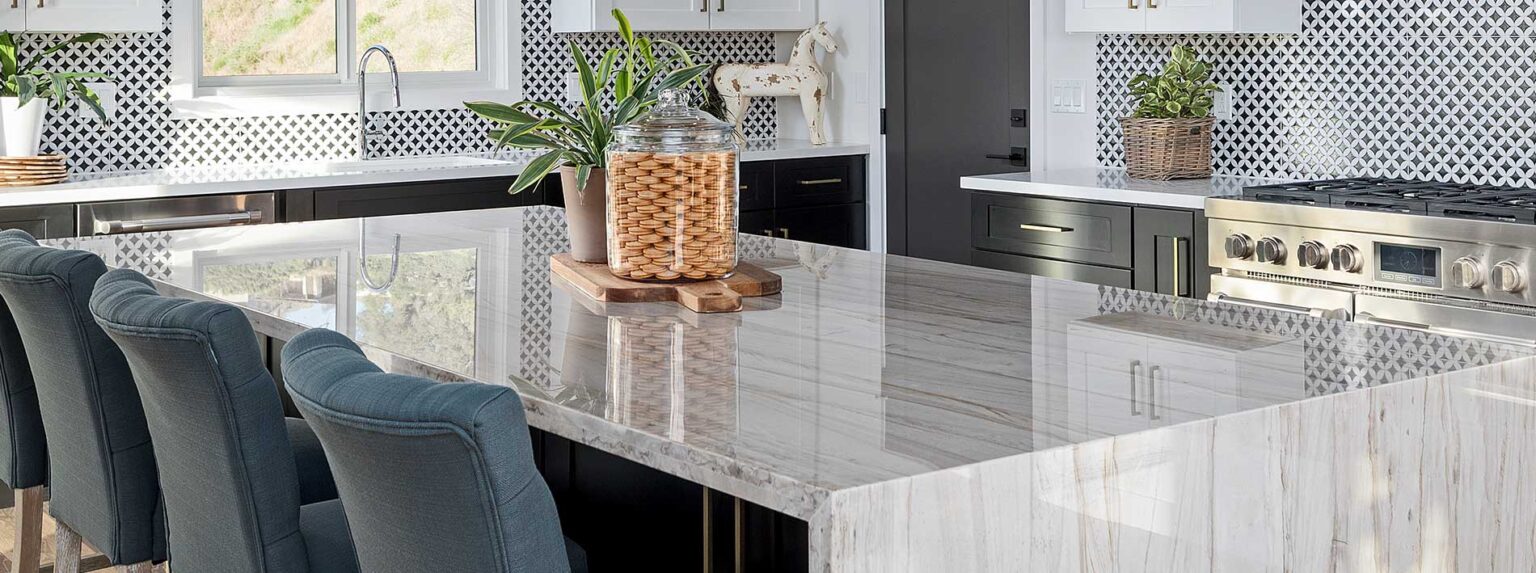
Quartzite, with its unique patterns and durable surface, provides the perfect balance for a colorful palette, helping ground the room while enhancing its visual impact.

Understanding the Personality of Quartzite

Quartzite is a natural stone formed from sandstone and transformed by heat and pressure deep within the earth. This process gives it the strength of granite and a beauty that often rivals marble. 

What makes quartzite particularly interesting for bold kitchen designs is its range of subtle color variations and dramatic veining. These visual features make it flexible enough to work with daring color choices without becoming overwhelming.

While some quartzite slabs are neutral and soft-toned, others contain hints of green, blue, gold, or gray. These undertones can influence the cabinetry colors that will complement the stone. Recognizing those hues is the first step toward a well-balanced design, and your fabricator can show you examples of how they’ll look in your home and in the showroom.

Let the Stone Lead

A helpful way to begin is by selecting your quartzite slab first. Because no two pieces are identical, the unique coloring and movement in the stone should guide your cabinet choices. Designers often recommend pulling a secondary or tertiary color from the stone itself and using that as inspiration for the cabinets. 

This technique helps tie the space together without feeling too matched or calculated. For example, a quartzite countertop with bold gray veining pairs well with deep navy or forest green cabinets. If your slab contains hints of rust or warm taupe, consider cabinet colors like terracotta, mustard, or even a deep wine tone.

Balancing Vibrant Cabinets with Subtle Stone

If you’re considering a high-impact cabinet color like cobalt, emerald, or tangerine, opt for a quartzite slab that offers a neutral foundation. Soft white or pale gray quartzite can help keep the space grounded while allowing the cabinetry to take center stage. 

This approach works especially well in smaller kitchens where too many bold elements could overwhelm the space. Keep in mind that quartzite’s natural movement that comes from the veining already creates visual interest. Pairing it with a highly saturated color on the cabinets can result in a dynamic kitchen that still feels polished and composed.

When to Use High-Contrast Pairings

One way to add drama to your kitchen is through contrast. A dark quartzite countertop against vibrant cabinets creates instant visual tension that draws the eye. For instance, black or charcoal quartzite countertops can look striking when set against bright yellow or teal cabinetry. The contrast between the cool stone and the warm cabinet color creates energy without chaos.

But sometimes contrast can look a bit harsh. To keep this type of contrast from feeling overwhelming, consider finishing touches like brushed or matte metallic hardware or natural wood accents to act as visual bridges between the stone and the cabinets.

Highlighting Texture and Finish

The finish of your quartzite countertop can also affect how well it pairs with bold cabinetry. A polished finish reflects light and emphasizes the stone’s intricate details, which can add extra depth when paired with glossy or lacquered cabinets. A honed or leathered finish, on the other hand, creates a softer, matte look that works beautifully with more muted or earth-toned colors.

Texture can become a design element in itself. A leathered quartzite countertop might contrast with sleek cabinets, giving your kitchen a layered and thoughtful look without needing extra ornamentation. Talk to your fabricator about the types of finishes they can achieve!

Creating a Standout Space

Pairing quartzite countertops with bold cabinets requires both confidence and careful planning, but when done well, the result is stunning. The right slab of quartzite can elevate a vibrant cabinet color, grounding the space while letting personality shine through. Whether you’re going for a high-contrast modern vibe or a softer, nature-inspired palette, this material provides the versatility and beauty you need to pull it all together.

If you’re ready to bring color and stone together in your dream kitchen, Alps Craftsman is here to help. Get in touch with us today for a personalized consultation and a free quote for your countertop project!

Categorized: Countertops, Kitchens
Tagged: Design Process, Guide

  • Go to page 1
  • Go to page 2
  • Go to Next Page »
Alps Craftsman

For over 30 years, our family-owned business has delivered exceptional service and craftsmanship. We treat every client like family, offering top-quality countertops, cabinetry, and fixtures. From small projects to large remodels, we ensure integrity, efficiency, and superior results.

Facebook-f Instagram
Company
Menu
  • About Us
  • Gallery
  • Our Process
  • Blog
  • FAQ
  • Careers
  • Contact Us
Services
Menu
  • Countertops
  • Granite
  • Marble
  • Quartz
  • Quartzite
  • Laminate
  • Recycled Material
  • Acrylic Solid Surface
  • Fixtures
  • Cabinetry
  • Promotions
Our Location
  • 500 Memorial Drive, Suite 1 Somerset, NJ 08873
  • (800) 817-8763
  • info@alpscraftsman.com
  • License: HIC#13VH05142400
Get a Free Quote
Proudly serving NJ, NY, PA customers since 1991
Copyright © 2026 Alps Craftsman HIC#13VH05142400. All rights reserved. | Privacy Policy | Accessibility | Sitemap
Get Offer

Get Offer

"*" indicates required fields

This field is for validation purposes and should be left unchanged.

Request a Quote

"*" indicates required fields

This field is for validation purposes and should be left unchanged.
Name*